
People love the idea of a century home right up until the worries start. Will it be cold? Is the foundation a problem? What about the wiring? What does it cost to run a house built before electricity was common? If you've been looking at older homes in Burk's Falls and the Almaguin Highlands, these are fair questions — and the honest answers are usually more reassuring than you'd expect. Here's what actually matters when you're looking at a home from the 1800s, using 152 Main Street as a real example.
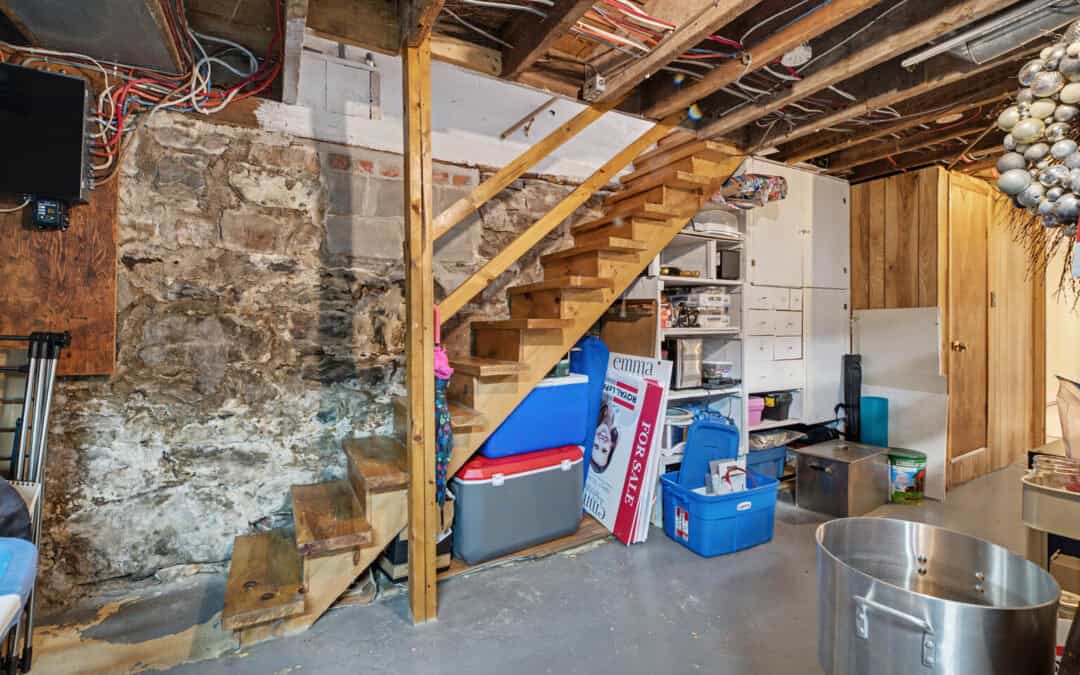
The fieldstone foundation: let the walls breathe
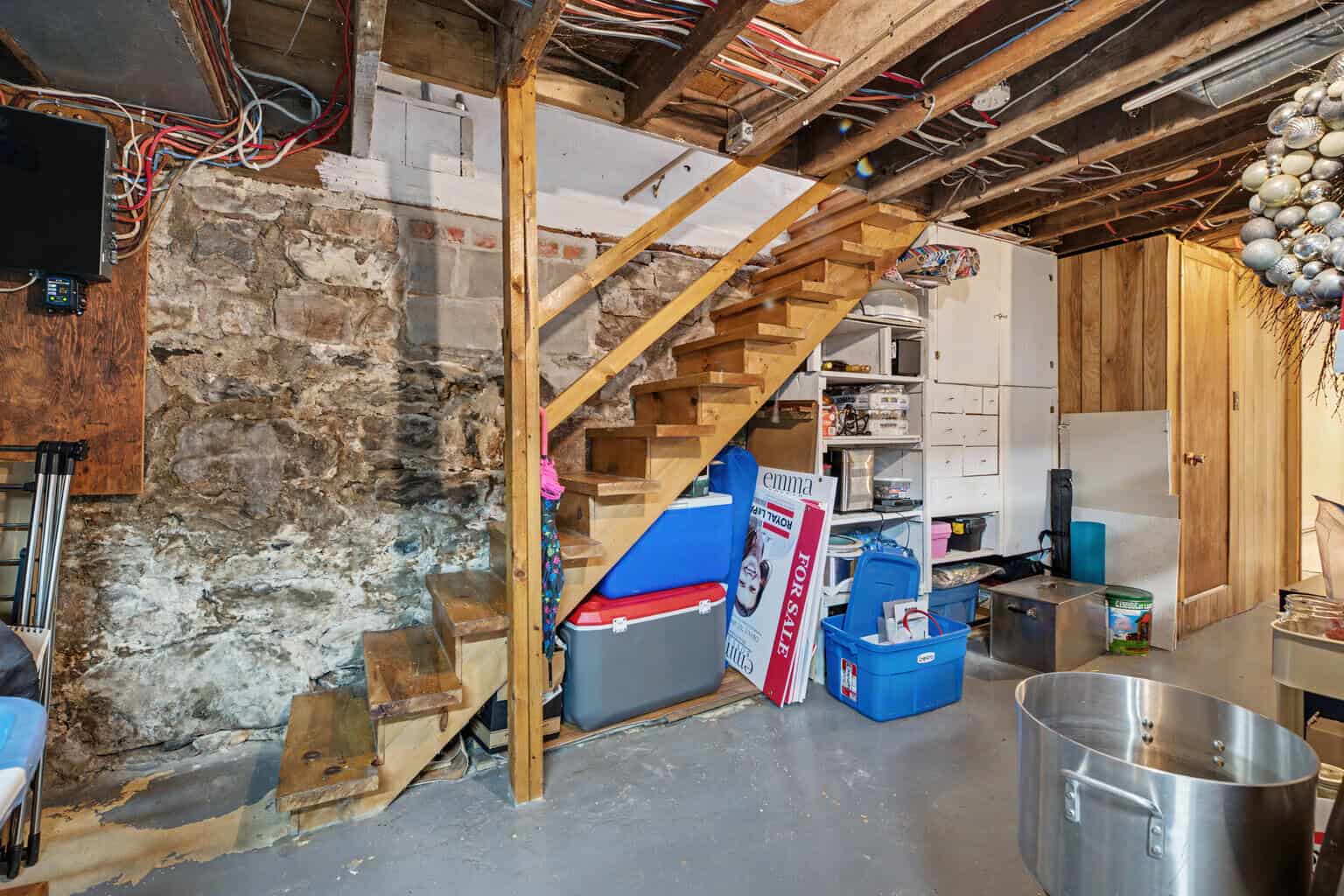
A fieldstone foundation is one of those features that sounds like a red flag to anyone used to poured concrete, but a fieldstone foundation in good shape has already done the hardest thing it will ever do — it has stood for well over a century. The one at 152 Main Street has been solid since 1888.
The single most important thing to know about fieldstone is this: the walls need to breathe. These foundations were built to let moisture move through and evaporate. The instinct to "finish" a basement by sealing or covering the stone with spray foam or a vapour barrier is exactly what causes trouble, because it traps moisture in the stone instead of letting it escape. Left alone and kept dry from the outside — good grading, working eavestroughs, water directed away from the house — a fieldstone foundation will keep doing its job. If you buy a century home, resist the urge to wrap the walls. Work with them.
Heating an older home is easier than most people think
The fear with an old house is that you'll be feeding the furnace all winter. But the reason century homes have lasted is the same reason they hold their temperature: the walls on a build like 152 Main Street are close to a foot thick. That's a lot of mass between you and the weather. Thick walls hold heat in winter and stay cooler in summer, so heating and cooling are rarely the problem people brace for.
It also helps to know what the house runs on. 152 Main Street is on municipal water and natural gas heat — gas being one of the more affordable ways to heat in this region — with a natural gas furnace and heat pump both installed in 2023. That combination takes most of the guesswork out of an older home. And to know exactly what a home has cost to run, ask for the utility bills. Past seasons of heating and hydro bills tell you in plain numbers what winter here actually means financially, with no guessing.
If you want to push efficiency further, two upgrades make the biggest difference in a home like this:
Updated insulation. Thick walls do a lot, but older homes were often built with little or no insulation in the attic. Topping it up is usually the highest-return improvement you can make, and it's far less invasive than people assume. We did exactly this at 152 Main Street, including adding baffles so air keeps moving through the roof properly — which protects the house without letting the cold in.
A smart thermostat. A programmable thermostat lets you schedule around your life and, in some setups, lean into your cheapest hours to heat. It's a small change with steady savings, and it makes a big old house feel modern to live in. We have an ecobee at 152 Main Street for exactly that reason.
The one thing to check first: the wiring
If there's a single thing worth prioritizing in any century home, it's the electrical. This isn't a reason to walk away — it's a reason to get a good home inspection, which you should do on any older home regardless.
When electricity was first added to homes like these, the standard was knob-and-tube wiring. It was the common method in Canada from roughly the 1880s through the 1940s, named for the ceramic knobs that held the wires and the tubes that protected them where they passed through wood. It isn't inherently dangerous, and the current Canadian Electrical Code still permits existing knob-and-tube that's been left alone and properly maintained — but it's no longer allowed for new installations, it has no ground, and many insurers won't cover a home that still has it. The catch is that replacing knob-and-tube across a whole house can get expensive, so you want to know what you're dealing with before you buy. A home inspection is how you find out. Often an older home has had its wiring updated piecemeal over the decades, with original knob-and-tube still tucked in between newer runs — exactly the kind of thing an inspector is there to catch.
You may also come across a fuse panel rather than modern breakers. Fuses were the standard in Canadian homes built before the 1960s, and breakers gradually took over for new construction from the mid-1950s onward. A fuse panel isn't a crisis — it does the same job as breakers, protecting each circuit from overload. The practical difference is simply how you reset it: instead of flipping a switch, you screw in a fresh fuse, so the main thing is to keep a few spares of the right size on hand. Easy to live with once you know how it works.
Vermiculite insulation: usually fine if you leave it alone
If you look in the attic of an older home and see a pebbly, greyish-gold insulation, that's likely vermiculite. In Canada it was a common attic insulation from about the 1950s into the 1980s, and it was one of the materials covered under the Canadian Home Insulation Program grants from roughly 1976 to the mid-1980s.
Here's the honest picture: vermiculite itself is completely harmless. It's actually an excellent, fire-resistant insulator, and most vermiculite is perfectly safe. The one thing to be aware of is that some vermiculite — mainly from a single mine that operated until 1990 — can contain trace asbestos, so insulation from that era can't be assumed one way or the other without testing. But this only matters if the material is disturbed. Health Canada's guidance is clear: sealed in the attic or behind walls and left alone, it does not pose a risk to the people living there. So the rule is simple: if you're not renovating that space, leave it alone and all is well. If you are planning to renovate an area that has it, have it tested first and don't disturb it yourself. A known quantity, easily managed — not a dealbreaker.
What "updated" should actually mean
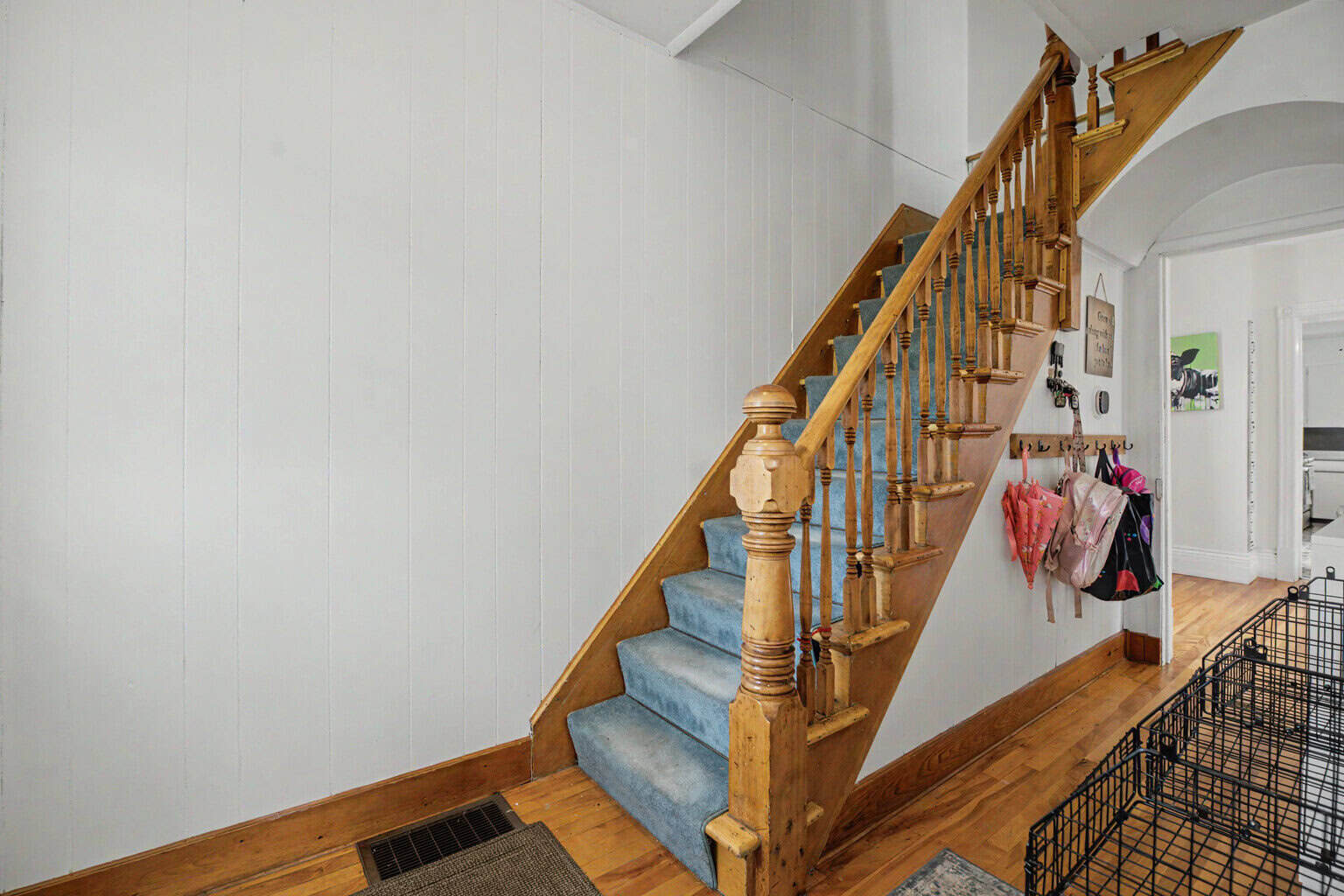
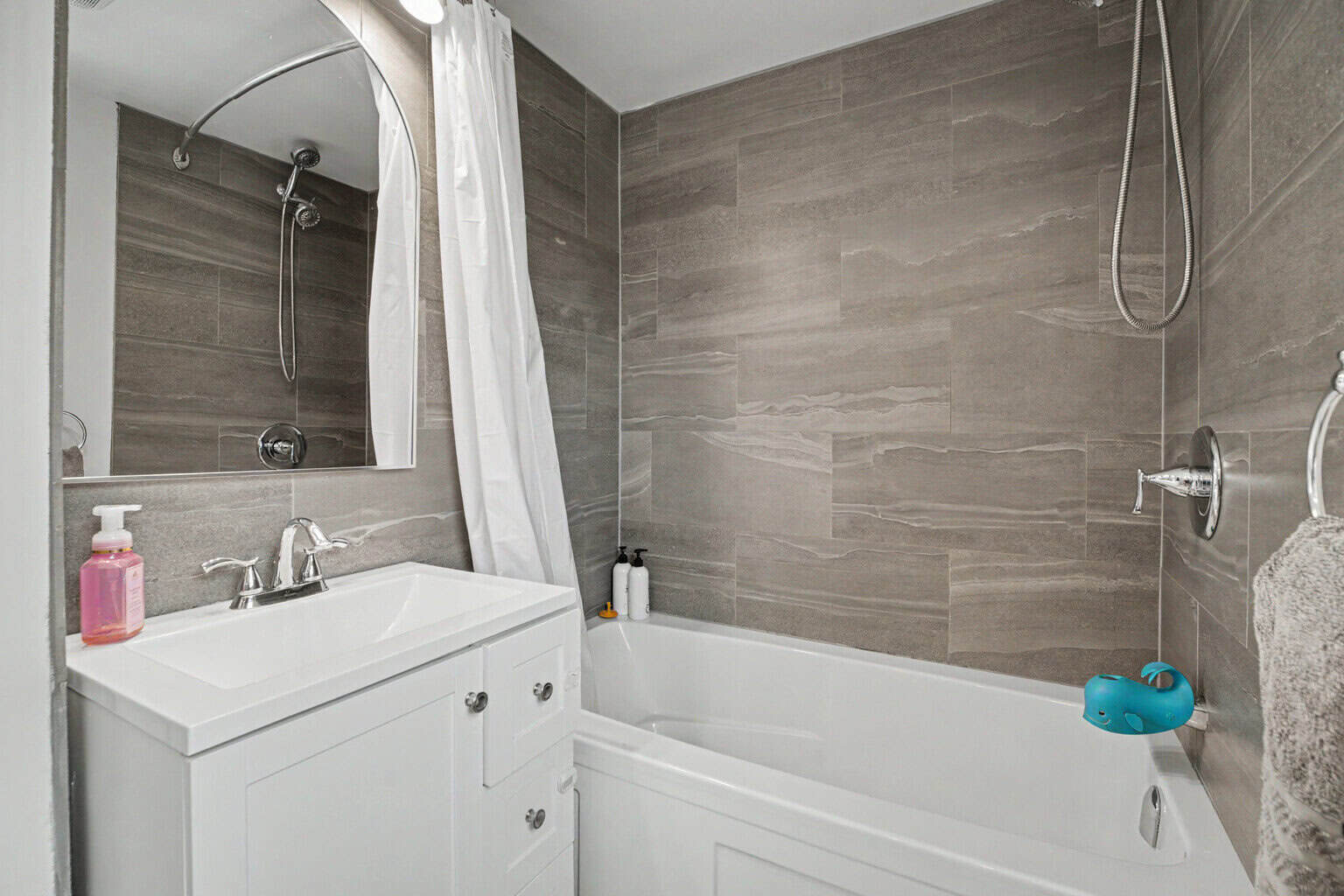
The best century homes keep what makes them special and quietly modernize the rest. At 152 Main Street that means original hardwood, high ceilings, and built-in cabinetry alongside a roof replaced in 2022, the 2023 furnace and heat pump, an updated kitchen, and fresh paint throughout. You're not buying a project — you're buying the character with the big-ticket updates already handled.
That's the balance worth looking for in any older home: character that can't be replicated, paired with the mechanical updates that make day-to-day living easy.
Is a century home right for you?
If you want a home with a story, thick solid walls, and the kind of craftsmanship that's genuinely hard to find in new construction, a well-kept century home is worth a serious look — and Burk's Falls has some lovely ones. The key is knowing what to check: a sound foundation you leave alone, sensible insulation, an efficient heat source, and updates that have already been made.
Everything here is general guidance to help you know what to look for. On any specific home, a qualified home inspector and a licensed electrician are the ones to confirm the details — what the wiring actually is, what shape the foundation is in, whether that attic insulation needs testing. That inspection is the best money you'll spend on an older home, and it's exactly what turns unknowns into a clear picture you can decide on.
152 Main Street checks the boxes worth caring about. It's a four-bedroom (3+1) century home in the heart of Burk's Falls, now offered at $399,000. If you'd like to walk through it or just talk through what owning an older home really involves, call 705-380-3136 — happy to help you figure out whether a century home is the right fit.